How Does A Wet Vacuum Cleaner Work: Quick Guide
A wet vacuum cleaner sucks up liquids and solid debris into a sealed tank using motor-driven suction.
I have used and tested many wet vacuum cleaners in homes and workshops. In this guide I will explain how does a wet vacuum cleaner work in clear, practical terms. You will learn the core parts, how they interact, safety and maintenance tips, and buying advice based on hands-on experience. Read on to get a full, trustworthy picture of how does a wet vacuum cleaner work and how to use one well.
How does a wet vacuum cleaner work — basic principle
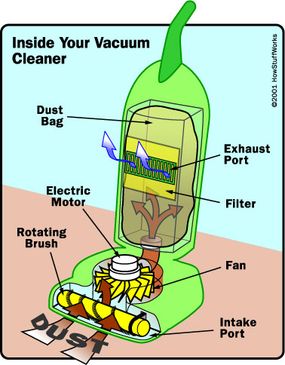
A wet vacuum cleaner uses a motor-driven fan to create low pressure at the intake. Air and liquid rush in toward the nozzle because the pressure there is lower than the room. The liquid and debris travel through a hose into a sealed tank. A filter or separator keeps the motor safe from moisture while the tank holds the waste.
Key steps in the basic flow:
- Suction creation: The motor spins a fan to lower air pressure at the inlet.
- Intake: Air, water, and debris move into the hose from the surface.
- Separation: Liquids and solids drop into the tank or a separator chamber.
- Exhaust: Cleaned air leaves via a muffler or secondary filter.
This is the core answer to how does a wet vacuum cleaner work. It is a simple physics trick: lower pressure pulls fluids and particles into a container where they are held.

How does a wet vacuum cleaner work — key components
Knowing the parts helps you see how does a wet vacuum cleaner work in detail. Each component has a clear job.
Main components:
- Motor and fan: Create the suction that moves air and liquids.
- Inlet hose and nozzle: Channel the mess from floor or surface into the machine.
- Tank or drum: Stores liquid and debris until emptying.
- Float valve or separator: Stops liquid from reaching the motor by blocking flow when the tank fills.
- Filters: Protect the motor and capture fine particles and odors.
- Exhaust outlet: Lets the cleaned air leave the system.
The float valve is critical in explaining how does a wet vacuum cleaner work safely. When the tank fills, the float rises and blocks the air path. That action cuts suction and prevents water from being sucked into the motor.
How does a wet vacuum cleaner work — separation methods and filters
Different models handle liquids and solids in different ways. These choices affect performance and maintenance.
Common separation methods:
- Direct tank capture: Liquids and solids drop straight into the drum for easy emptying.
- Cyclonic action: A swirl separates heavier debris from air before tank entry.
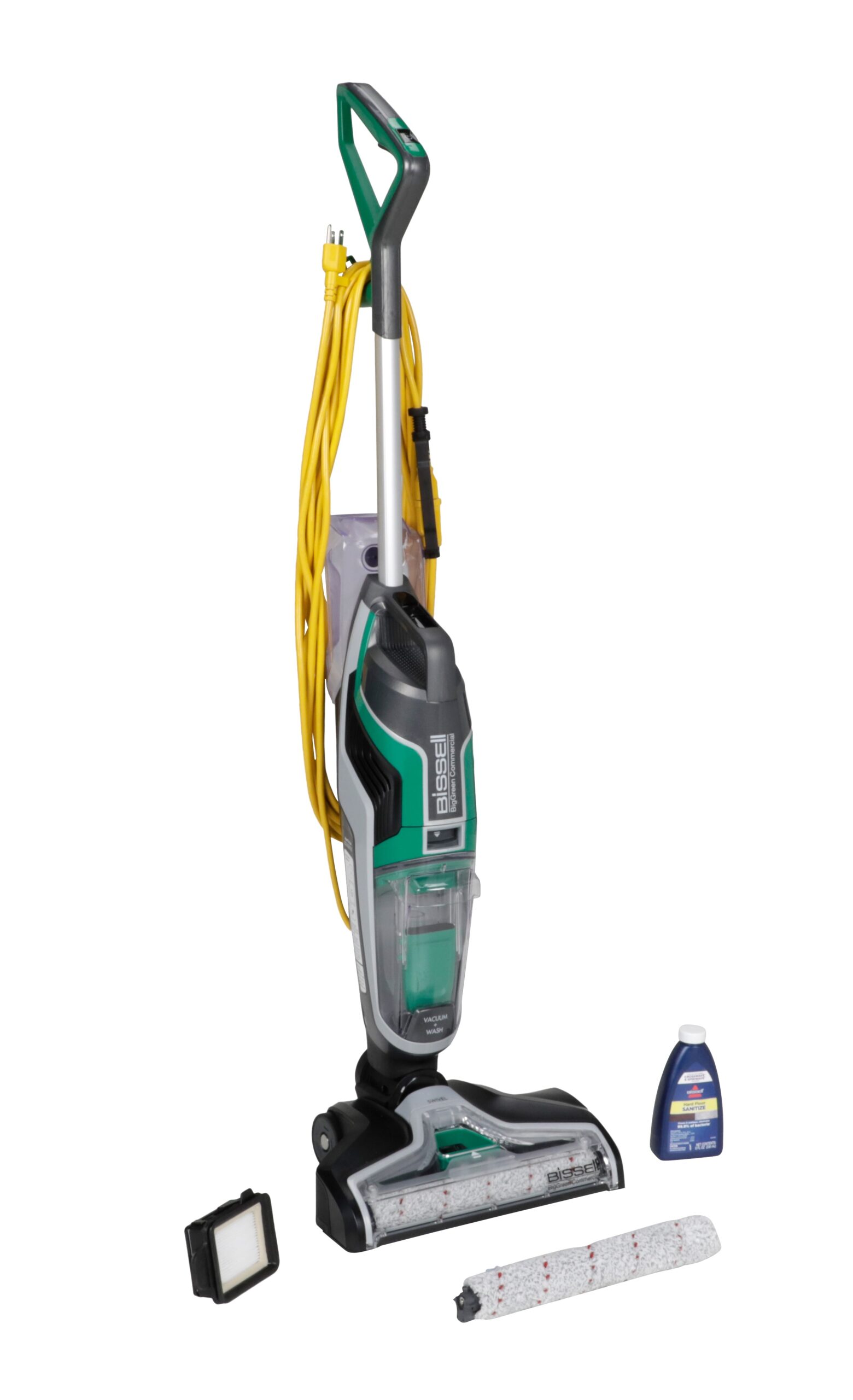
- Cartridge or foam filters: Used for fine particles after liquids are drained.
Knowing how does a wet vacuum cleaner work with filters helps you pick the right machine. Wet filters and washable cartridges are best for repeated liquid jobs. Dry-only filters can clog or get ruined if they get wet.
How does a wet vacuum cleaner work — types and practical uses
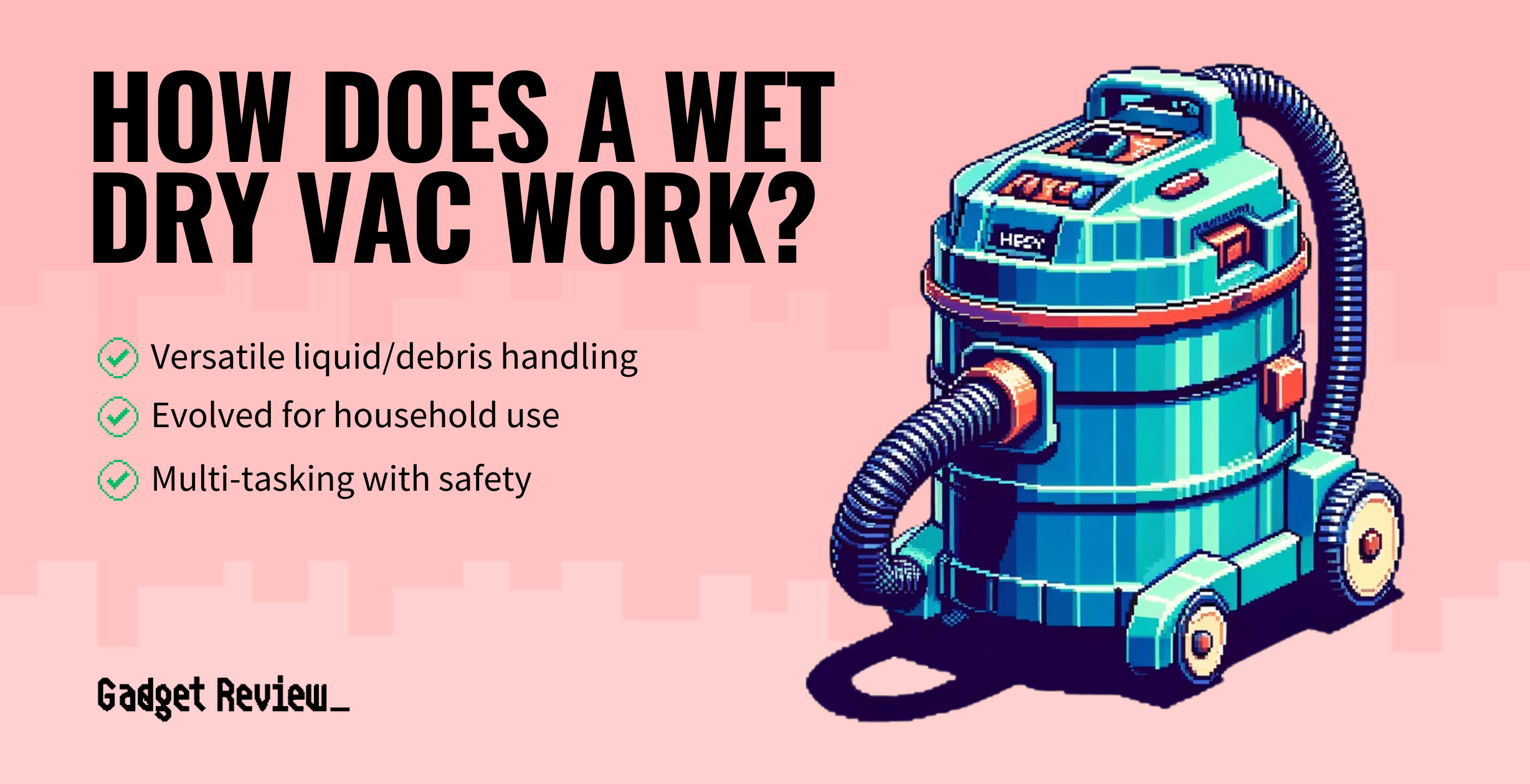
Wet vacuums come in several styles. Each style shows a different way of handling the suction, separation, and storage.
Popular types and uses:
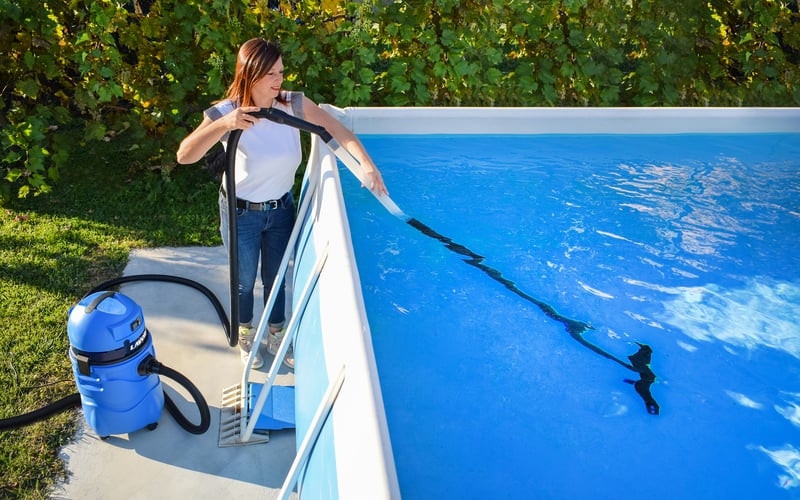
- Shop vacs: Rugged, for garages, workshops, and floods.
- Portable wet/dry vacs: Light for home spills and car interiors.
- Carpet extractors: Combine suction with cleaning solution for deep-cleaning carpets.
- Commercial units: Large capacity for heavy-duty jobs in businesses.
I often use a shop vac for workshop cleanup and a portable wet/dry vac for small home spills. Seeing how does a wet vacuum cleaner work in each type will guide the tool you buy for your needs.
How does a wet vacuum cleaner work — maintenance and safety
Good care keeps the machine working and prevents damage. Safety matters most when dealing with liquids and electricity.
Maintenance tips:
- Empty the tank after each wet job to stop smells and mold.
- Rinse washable filters and let them dry fully before reuse.
- Inspect hoses and seals for cracks that reduce suction.
- Replace worn filters and floats as recommended by the maker.
Safety rules:
- Do not vacuum flammable liquids or hot ashes.
- Unplug before removing filters or opening the tank.
- Use a GFCI outlet when working in damp areas.
From my experience, the easiest mistake is skipping filter checks. That costs suction and can damage the motor. Regular, small checks prevent big repairs and show you how does a wet vacuum cleaner work safely in daily life.
How does a wet vacuum cleaner work — buying guide and smart tips
Choosing the right model saves time and money. Focus on capacity, power, and features that fit your tasks.
What to compare:
- Tank size: Bigger tanks hold more liquid but add weight.
- Airflow and water lift: Key specs that determine suction power.
- Accessories: Crevice tools, squeegees, and extension wands add versatility.
- Portability: Wheels, handles, and weight matter for frequent moves.
- Durability: Look for sturdy materials and good seals.
Practical buying tips:
- Pick a slightly larger tank than you think you need for flood work.
- Choose washable filters for repeated wet jobs.
- Test the machine on both liquid spills and dust to confirm true wet/dry function.
Thinking about how does a wet vacuum cleaner work will help you ask the right questions in a store or read the specs online with confidence.

Frequently Asked Questions of how does a wet vacuum cleaner work
How does a wet vacuum cleaner work with both wet and dry materials?
Most wet/dry vacuums use a simple tank where both liquid and solids collect. Filters and separators protect the motor and allow dry debris to be collected after liquids are drained.
Will a wet vacuum cleaner damage if I vacuum dust after wet use?
If you rinse and dry the filters and tank between uses, the machine is fine for dry debris. Leaving moisture in the unit risks mold and filter damage, so always clean and dry parts.
Can I use a wet vacuum cleaner to pick up hot ashes or oily liquids?
Do not pick up hot ashes or flammable/oily liquids with a standard wet vac. These substances can start fires or damage the vacuum; use specialized tools for those tasks.
How do float valves work in a wet vacuum cleaner?
A float rises as the tank fills and blocks the intake to stop more liquid from reaching the motor. This simple mechanical action prevents flooding of the motor and electrical parts.
How often should I replace filters in a wet vacuum cleaner?
Replace filters when they show wear, tear, or a permanent loss of suction. For heavy use, check filters monthly and replace as needed to keep good performance.
Is a wet vacuum cleaner good for cleaning carpets?
Yes, carpet extractors use a wet vacuum principle with cleaning solution and strong suction to pull dirt from fibers. Standard wet/dry vacs can help remove surface moisture but are not a full substitute for extractors.
Conclusion
You now know how does a wet vacuum cleaner work, from the motor and tank to floats and filters. The machine creates suction to pull liquid and debris into a safe container and uses separators to protect the motor. Keep the tank clean, check filters, and follow safety advice to get reliable results. Try the tips above, test the model you choose, and leave a comment about your experience or questions — I will respond and help you decide on the best wet vacuum for your needs.

Liora Pennings is a seasoned chef and kitchen enthusiast with a passion for turning everyday cooking into an effortless experience. With years of hands-on culinary expertise, she specializes in practical techniques, ingredient know-how, and smart kitchen solutions that help home cooks elevate their meals. At KitchFlair.com, Liora shares her best tips, time-saving tricks, and honest product reviews to guide readers toward a more efficient, enjoyable, and inspired cooking routine. Whether you’re a beginner or a seasoned home chef, Liora’s friendly, knowledge-packed insights make every visit to the kitchen a little easier—and a lot more delicious.