Can I Use Dry Vacuum Cleaner For Wet: Safe Use Tips
No. A dry vacuum should not be used on wet messes without proper conversion.
I have worked with vacuums in home and workshop settings for years. I will walk you through whether can i use dry vacuum cleaner for wet situations, why it matters, and how to stay safe. This guide blends hands-on experience, manufacturer logic, and plain advice so you can make the right choice quickly.
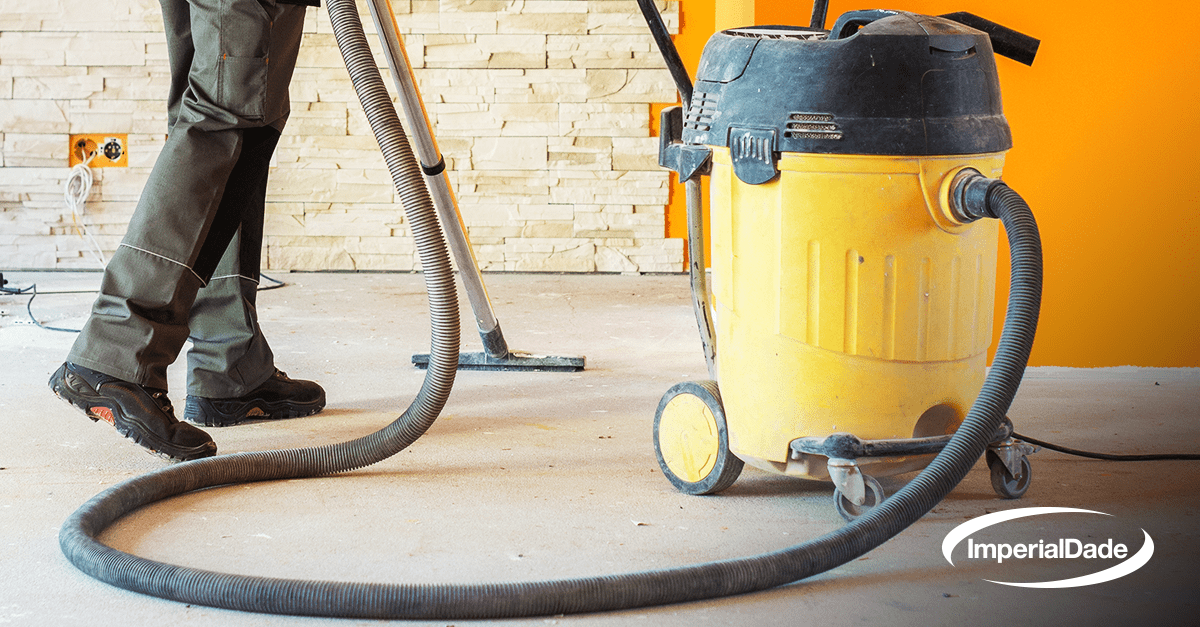
How dry vacuums and wet vacuums differ
A dry vacuum is built to handle dust, dirt, and dry debris. Its motor, seals, and filters are not made to deal with liquids. If water reaches the motor or filter, it can short the motor, cause rust, or create electrical hazards.
A wet-dry vacuum uses a sealed motor chamber and a different filtration system. It often has a float or shutoff valve to stop liquid from entering the motor. Wet-dry models also use corrosion-resistant components and washable collection buckets.
Can i use dry vacuum cleaner for wet spills? The short technical answer is no, unless the unit is specifically rated or converted for wet use. Trying to vacuum water with a standard dry-only machine is risky and often damages the vacuum.
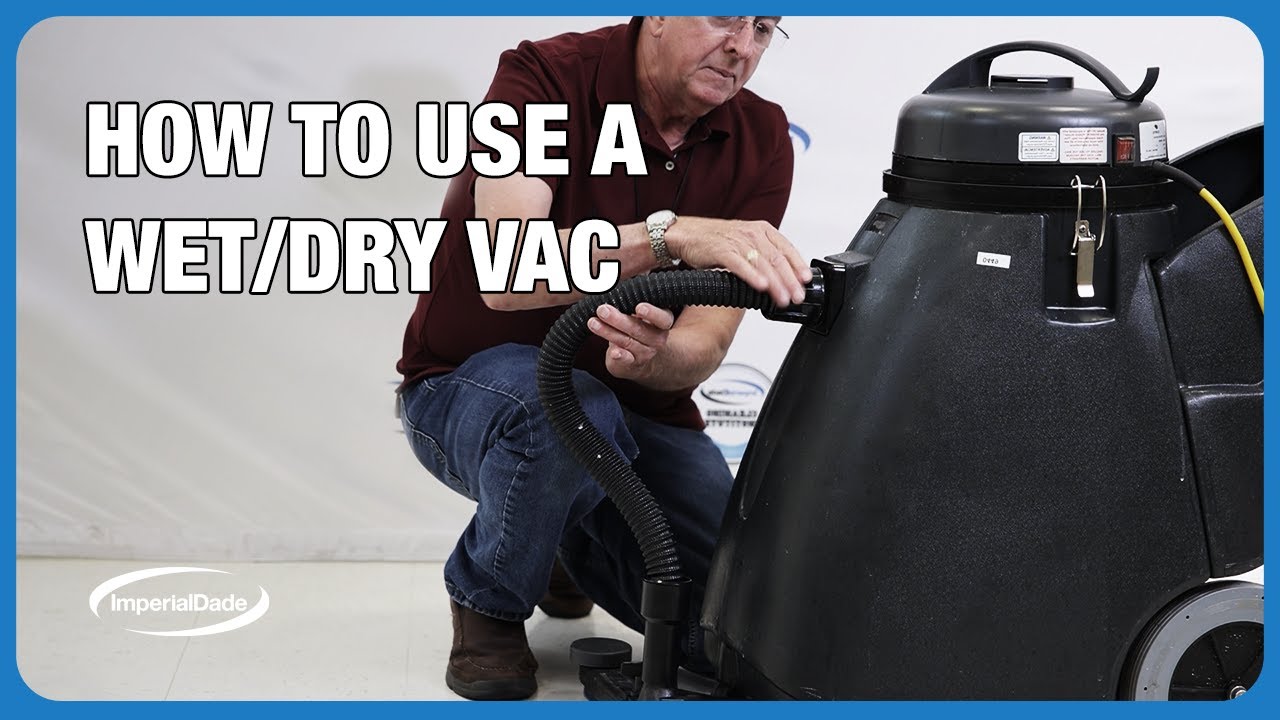
Risks of using a dry vacuum cleaner for wet messes
Electrical hazard and shock risk. Water can contact live parts and create a short circuit. This can harm you and permanently damage the machine.
Filter and motor damage. Dry filters trap dust, not droplets. Moisture can clog or destroy filters and ruin motor windings. Corrosion speeds up after one wet incident.
Odor and mold growth. Wet debris left in a dry vacuum creates bad smells fast. Mold can develop in the tank and hose within days. Cleaning out this contamination is hard and sometimes impossible.
Insurance and warranty voids. Using a dry vacuum on wet jobs often voids manufacturer warranties. Homeowners insurance may not cover damage caused by improper tool use.
:max_bytes(150000):strip_icc()/how-to-use-a-shop-vac-for-water-5081535-01-ba6add11c48944c7b18ca1a26c167b7f.jpg)
When you can safely use a dry vacuum for small wet spills
Small, damp spots on hard floors may be manageable if you take strict precautions. Turn off and unplug the vacuum immediately if moisture reaches the inlet. Empty and dry the filter and tank before next use.
Use absorbent materials first. Mop up most liquid with towels or a sponge. Then use the vacuum only to remove the last damp residue if the manufacturer allows it.
Check the manual. Some modern dry vacuums include damp-safe modes or washable filters. Always confirm in the manual before testing if can i use dry vacuum cleaner for wet cleanup in any capacity.
:strip_icc()/bhg-wet-dry-vacs-aug-24-test-vacmaster-professional-5-gal-ebrockob-006-31-e35f292a75fb4fa6b9356db39a0c20a6.jpeg)
How to convert or adapt a dry vacuum for wet use (safe options)
Install a wet-capable filter or a water trap. Some aftermarket kits add a float valve or a water-catching insert. These kits can reduce risk but must match the model precisely.
Use a bucket filter setup. In my shop, I built a simple bucket separator that sits between the hose and the vacuum. It traps most liquid and keeps the vacuum itself drier. This is temporary and only for low-volume, controlled tasks.
Buy a certified wet-dry vacuum. Converting a dry unit is less reliable than buying the right tool. If you plan to handle water often, invest in a proper wet-dry vacuum with the right rating.
Note: DIY conversions carry limits. Even with adapters, the question “can i use dry vacuum cleaner for wet” usually resolves to “it’s safer to buy a wet-rated machine.”

Maintenance and safety tips after wet exposure
Power down and unplug immediately if any liquid enters the vacuum. Do not restart until fully inspected and dried. Open the unit and let all parts dry for at least 48 hours in a warm, ventilated area.
Replace damaged filters and check seals. Wash or replace any filter that got wet. Inspect electrical wiring and the motor for signs of rust or burning.
Prevent future issues. Use a separate hose and nozzle for wet jobs. Label tools clearly. Keep a small wet-dry vacuum in areas prone to spills to avoid asking “can i use dry vacuum cleaner for wet” after the fact.

Frequently Asked Questions of can i use dry vacuum cleaner for wet
Can I use a dry vacuum cleaner for wet spills in a pinch?
Using a dry vacuum for a wet spill is not recommended. It can damage the filter and motor and create a shock risk.
Will a dry vacuum stop working if it gets a little water inside?
Even a small amount of water can clog filters and corrode components. Performance will drop and the machine may fail over time.
Can I put a plastic bag inside the tank to protect my dry vacuum from water?
A bag may help contain liquids but won’t protect the motor or filter. It’s a temporary measure and not a full fix.
Are there any quick checks to see if my dry vacuum is safe after wet contact?
Unplug the unit, remove the filter, and check for moisture inside the tank and hose. Let everything dry and replace filters before testing.
Is it cheaper to convert a dry vacuum to wet use or buy a wet-dry vacuum?
Buying a wet-dry vacuum is usually cheaper in the long run. Conversions can be risky and may not restore full wet capacity.
Conclusion
Treat the question can i use dry vacuum cleaner for wet as a safety and equipment question. Dry-only vacuums are not built for liquid, and using them on wet messes risks electrical failure, motor damage, and mold. If you face wet tasks often, choose a wet-dry vacuum or use certified conversion kits with care.
Make a confident choice: mop up liquids first, read manuals, and invest in the right tool. If this guide helped, try a wet-dry vacuum for future spills, subscribe for more practical tips, or leave a comment about your experience with vacuums.

Liora Pennings is a seasoned chef and kitchen enthusiast with a passion for turning everyday cooking into an effortless experience. With years of hands-on culinary expertise, she specializes in practical techniques, ingredient know-how, and smart kitchen solutions that help home cooks elevate their meals. At KitchFlair.com, Liora shares her best tips, time-saving tricks, and honest product reviews to guide readers toward a more efficient, enjoyable, and inspired cooking routine. Whether you’re a beginner or a seasoned home chef, Liora’s friendly, knowledge-packed insights make every visit to the kitchen a little easier—and a lot more delicious.