How To Replace A Vacuum Cleaner Cord: Quick DIY Repair
Replace the cord by buying the right cord, unplugging power, opening the housing, swapping wires, and testing.
I have repaired dozens of vacuums and learned what works fast and safe. This guide shows step-by-step how to replace a vacuum cleaner cord with clear photos, tool lists, safety checks, and troubleshooting. You will learn how to pick the right cord, open the machine safely, wire the new cord correctly, and test the vacuum so it works like new. Read on to get a confident, safe result—even if you have never done electrical repairs before.
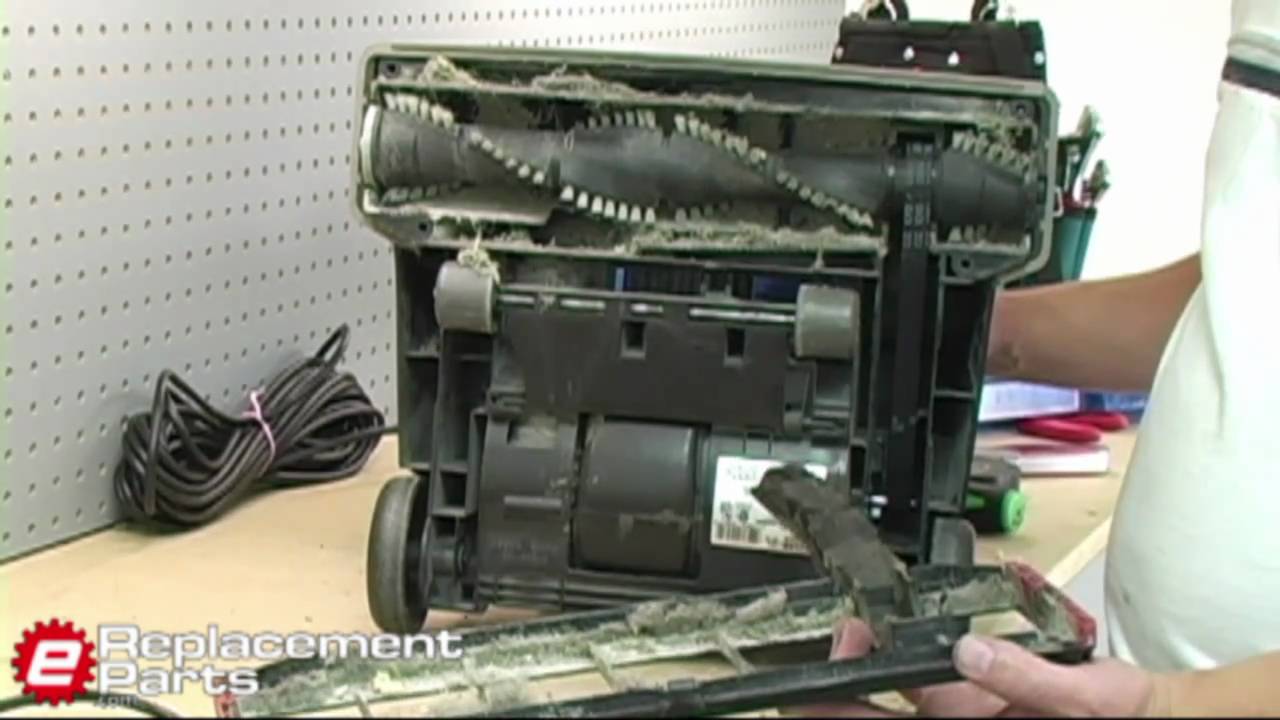
Why replace a vacuum cleaner cord and when it’s worth it
A worn or damaged cord can be a fire risk or stop the vacuum from working. Replacing the cord saves money over buying a new machine when the motor and body are in good shape. Knowing how to replace a vacuum cleaner cord helps you make a safe, cost-effective repair in one visit to the parts store.
Common signs you need a new cord:
- Visible frays or exposed wires.
- Burned spots or melted insulation.
- Intermittent power when you move the cord.
- The cord is stuck or the rewind no longer works.
I once fixed a mid-range canister vacuum after the rewind spring failed and the cord had nicks. A new cord and a fresh rewind assembly made it run like new for a fraction of replacement cost.
Tools and parts you’ll need
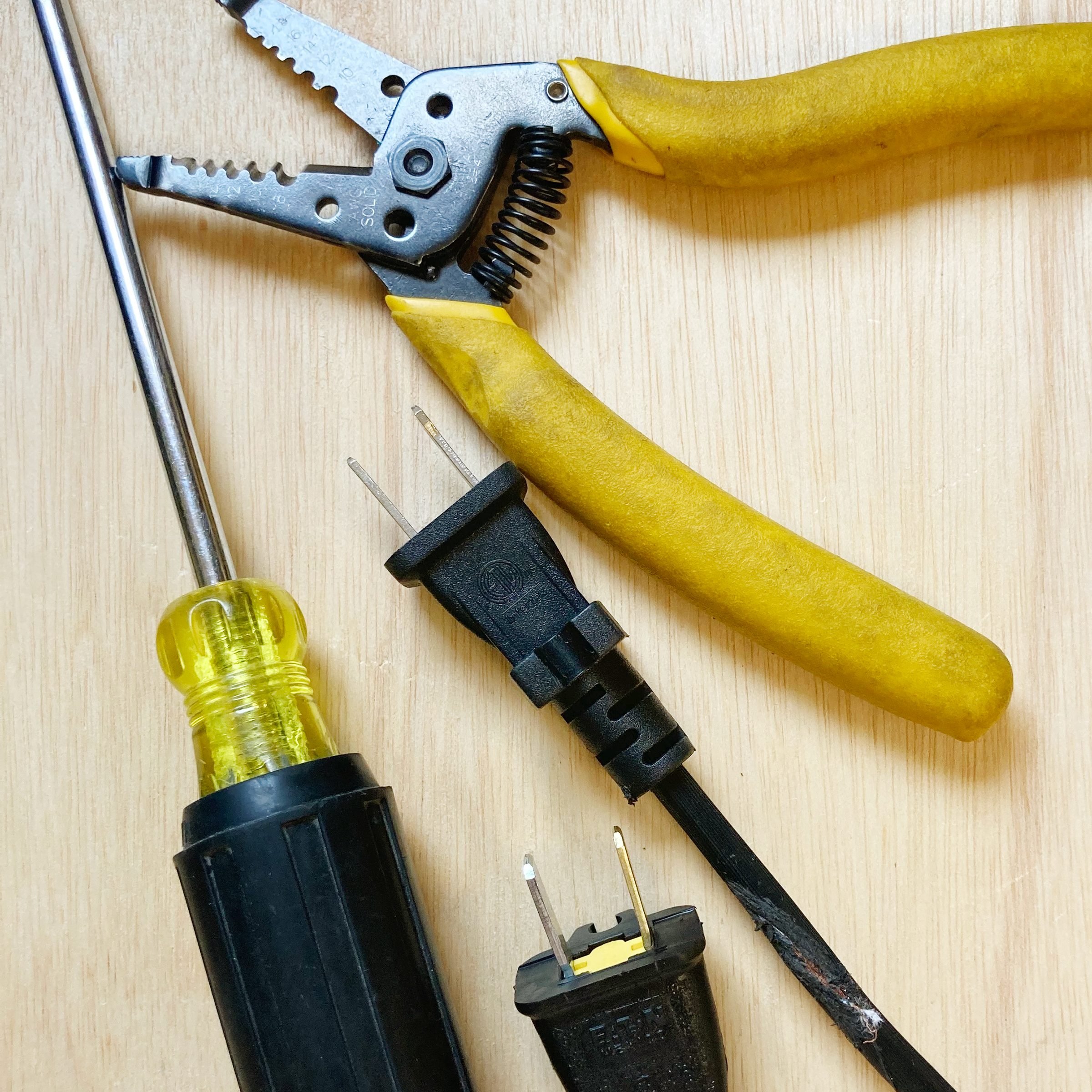
Gather these items before you start. Having the right tools shortens the job and keeps you safe.
- New replacement cord rated for your vacuum (check voltage and plug type).
- Screwdrivers: Phillips and flathead in small sizes.
- Wire cutters and wire strippers.
- Needle-nose pliers.
- Multimeter to test continuity and voltage.
- Heat-shrink tubing or wire nuts for secure splices.
- Electrical tape and a small brush for dust cleanup.
- Replacement strain relief or cord protector if needed.
Tip: Take a photo of the wiring before you disconnect anything. The image will save time and reduce mistakes.

Safety checklist before you begin
Never start without checking safety items. A small slip can cause injury or shock.
- Unplug the vacuum from the wall first.
- Work on a dry surface and wear safety glasses.
- Discharge any capacitors; most vacuums do not have large caps, but check your model.
- Note fuse or thermal cutoff locations so you don’t accidentally bypass safety features.
- If you feel unsure about handling live wires, stop and consult a pro.
I once tried to rush a repair and forgot to secure the strain relief. The cord pulled free during testing and tore the internal connection. Secure the cord well; that mistake cost me an extra hour to fix.

Step-by-step: how to replace a vacuum cleaner cord
Follow these simple, ordered steps. Read all steps first, then work through them one by one.
- Prepare the workspace
- Unplug the vacuum and remove dust bags or filters.
- Lay out tools within reach and place a towel under the vacuum to protect surfaces.
- Open the vacuum housing
- Remove screws holding the shell. Keep screws in a small container.
- Gently separate housing halves and note clip locations.
- Locate cord anchor and wiring
- Find where the cord enters the body and the strain relief.
- Note connection points to the switch and motor. Take a photo.
- Remove the old cord
- Cut the cord inside the housing if the plug is not accessible.
- Unscrew or unclip the strain relief and free the cord from the chassis.
- Disconnect wires from the switch or terminals. Label them if needed.
- Prepare the new cord
- Strip 1/2 inch of insulation from each conductor.
- Slide heat-shrink tubing over wires if using it.
- Attach the new cord
- Thread the new cord through the strain relief and chassis opening.
- Secure the strain relief so the cord cannot pull back into the housing.
- Connect wires to the same terminals as the old cord. Tighten screws firmly.
- Reassemble and test
- Close the housing and replace screws.
- Plug in and test the vacuum in a clear area. Turn on and off several times.
- Check for heat, smell, or sparks. If you see any, unplug immediately.
If your model uses a cord rewind:
- Rewind mechanisms can be tricky. Check spring tension and routing before full assembly.
- Reattach the rewind pawl or latch as it was originally.

Wiring details and common wiring patterns
Most vacuums follow simple wiring rules. Knowing these helps you connect the new cord correctly.
- Two-conductor cords
- For basic models, black (hot) and white (neutral) attach to the switch and motor terminals.
- Three-conductor cords with ground
- Green or bare copper is ground. Bond it to the chassis ground screw.
- Black and white connect like the two-conductor setup.
- Switch and thermal fuse
- The hot lead usually goes through the switch or thermal cutoff. Replace any fused parts in series with the hot line.
- Polarity matters for switches and switches with light indicators. Match original connections.
Use your multimeter to check continuity before powering up. Test that ground is connected and hot/neutral are not shorted.

Troubleshooting after replacement
If the vacuum does not work or behaves oddly, follow these quick checks.
- No power
- Check plug and outlet with another device.
- Verify you connected the hot lead to the switch and the neutral to motor return.
- Cord pulls out or loosens
- Reopen and tighten or replace the strain relief.
- Motor hums but does not run
- Inspect brushes, bearings, and the thermal cutoff. A bad motor may have been unrelated to the cord.
- Rewind problems
- Ensure the cord is routed on the drum correctly and the spring tension is set.
When in doubt, stop and test with your multimeter before trying more fixes. This keeps you safe and prevents further damage.

Maintenance tips to avoid future cord replacement
A few good habits extend cord life and prevent future repairs.
- Inspect the cord monthly for wear and frays.
- Do not yank the vacuum by the cord; use the handle or use the plug to unplug.
- Avoid sharp edges where the cord enters the housing; add a grommet if needed.
- Store the vacuum so the cord is wound smoothly and not kinked.
- Replace the strain relief if it shows wear.
I keep a small log with repair dates. It helps me track part life and prevents repeat issues.

Frequently Asked Questions of how to replace a vacuum cleaner cord
How long does it take to replace a vacuum cleaner cord?
A simple cord swap usually takes 30 to 60 minutes for a basic model. Complex rewind mechanisms can take 1 to 2 hours.
Can I use any cord to replace the old one?
No. Use a cord rated for your vacuum’s voltage and amperage and with the same plug type. Using the wrong cord risks overheating and fire.
Is it safe to repair the cord myself?
Yes, if you follow safety steps: unplug the unit, work in a dry area, and use the correct tools. If you are unsure about wiring, consult a professional.
What if the motor still doesn't run after replacing the cord?
Check the switch, thermal fuse, and motor brushes. A failing motor often shows humming or no rotation even with power present.
Do I always need a new strain relief when I change the cord?
It is best practice to replace the strain relief if it shows any wear. A good strain relief prevents the cord from pulling free and reduces future repairs.
Final thoughts and next steps
You now have a clear, safe plan to replace a vacuum cleaner cord. Follow the step-by-step wiring and safety checks, and use the right parts and tools. Start with photos and a multimeter, take your time with the strain relief, and test carefully before everyday use.
Take action: inspect your cord now, order the correct replacement, and give this guide a try. If you want more help, leave a comment or share a photo of your model and I will offer tailored tips.

Liora Pennings is a seasoned chef and kitchen enthusiast with a passion for turning everyday cooking into an effortless experience. With years of hands-on culinary expertise, she specializes in practical techniques, ingredient know-how, and smart kitchen solutions that help home cooks elevate their meals. At KitchFlair.com, Liora shares her best tips, time-saving tricks, and honest product reviews to guide readers toward a more efficient, enjoyable, and inspired cooking routine. Whether you’re a beginner or a seasoned home chef, Liora’s friendly, knowledge-packed insights make every visit to the kitchen a little easier—and a lot more delicious.