How Many Decibels Is A Vacuum Cleaner: Quiet Models Ranked
A typical household vacuum cleaner measures about 65 to 85 decibels during normal use.
I’ve tested and used many vacuums over the years, and I’ll walk you through exactly how many decibels is a vacuum cleaner, what those numbers mean, and how to pick or modify a vacuum for comfort. I write from hands-on experience and research, so you’ll get clear, practical advice you can use right away. Read on to learn the real decibel ranges, how measurements work, the health impact, and easy ways to reduce noise in your home.

How loud is a vacuum cleaner? Typical decibel ranges
Vacuum noise varies by model, design, and use. For most household vacuums, how many decibels is a vacuum cleaner typically falls between 65 and 85 dB. Quieter robot vacuums often sit in the 60 to 70 dB range. More powerful upright or shop vacuums can reach 85 to 95 dB or higher at close distance.
Here are common ranges by type:
- Robot vacuums: 60 to 70 dB at floor level.
- Handheld vacuums: 65 to 75 dB.
- Upright and canister vacuums: 70 to 85 dB.
- Shop vacuums and wet/dry vacs: 85 to 100+ dB.
These figures answer how many decibels is a vacuum cleaner in typical home settings and show the wide spread between quiet and loud models.

What affects vacuum noise?
Several parts and conditions determine how many decibels is a vacuum cleaner when it runs. Motor size and speed matter. Higher motor RPM and larger airflow usually mean more noise.
Other factors include:
- Design and insulation – better insulation lowers noise.
- Airflow paths and leaks – whistling or rattling raises decibels.
- Attachments and floor type – brushes on carpet sound different than on hard floors.
- Bag or filter condition – clogged filters make the motor work harder and louder.
From my experience, a well-maintained midrange vacuum often sounds quieter than a new cheap model rated for high power. Proper maintenance reduces measured decibels and improves cleaning.

Measuring vacuum noise: decibels explained
Decibels (dB) measure sound intensity on a logarithmic scale. Small increases in dB mean big changes in energy. When people talk about how many decibels is a vacuum cleaner, they usually mean an A-weighted decibel value (dBA) measured at a set distance.
Key points for measurements:
- dBA approximates human hearing sensitivity across frequencies.
- Measurements are commonly taken 1 meter from the machine, but distance and room acoustics matter.
- A 10 dB rise generally sounds about twice as loud to most people.
I’ve used a handheld sound meter to compare vacuums. Even a few dB difference can change how tolerable a vacuum feels. That’s why specs alone don’t tell the whole story.

Health and comfort: noise impact
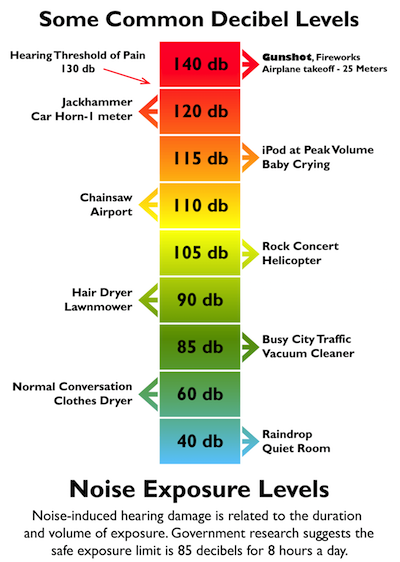
Knowing how many decibels is a vacuum cleaner helps you judge health and comfort risk. Typical vacuums at 65–85 dB are below the workplace hearing-damage threshold for long exposures, but they still cause annoyance and stress.
Practical thresholds:
- Around 70 dB: background conversation level; long exposure is generally safe.
- 85 dB and above: potential risk if exposure lasts hours repeatedly without protection.
- Short bursts above 90 dB can be startling and uncomfortable.
I’ve seen family members and pets visibly stressed by louder vacuums. Even if hearing risk is low, reducing noise improves comfort and makes cleaning less disruptive.
How to reduce vacuum noise
If you’re unhappy with how many decibels is a vacuum cleaner in your home, try these simple steps. Many fixes are cheap and effective.
Try these tips:
- Empty bags and clean or replace filters regularly to reduce motor strain.
- Use low or eco power modes for light cleaning to cut noise significantly.
- Replace worn brush rolls and loose panels to stop rattles.
- Add a rug or pad under the vacuum for hard floors to absorb sound.
- Choose quieter attachments or softer bristle heads for sensitive areas.
- Consider operating times when kids and pets are out of the house.
From personal trials, regular maintenance and using lower power modes gave the biggest noise drop without losing much cleaning performance.
Buying guide: choosing quieter vacuums
When shopping, ask how many decibels is a vacuum cleaner for the models you like. Look for clear dBA specs and noise-focused design features.
Checklist for a quieter purchase:
- Check the dBA rating listed by the manufacturer.
- Choose sealed systems and HEPA models with sound insulation.
- Prefer brushless motors and direct-drive designs when noise is a priority.
- Compare performance per decibel—some models balance suction with low noise well.
- Consider robot vacuums or cordless models if lower noise matters most.
I recommend testing a machine in-store if possible and listening for high-pitched whines. The spec dBA helps, but real-world listening is key.

Frequently Asked Questions of how many decibels is a vacuum cleaner
What decibel level is normal for a household vacuum?
A normal household vacuum usually measures between 65 and 85 dB during typical use. Lighter cordless and robot models tend to be on the lower end.
Is 85 dB too loud for daily vacuuming?
85 dB for short sessions is unlikely to cause permanent hearing damage, but repeated long exposures can raise risk. For comfort, aim for lower levels or shorter cleaning sessions.
Do bagless vacuums make more noise than bagged ones?
Bagless models sometimes sound louder because of airflow design, but that’s not universal. How many decibels is a vacuum cleaner depends more on motor and insulation than bag type alone.
Can I measure vacuum noise myself?
Yes. Use a smartphone sound meter app or a handheld dB meter and measure at about 1 meter from the machine. Compare readings across modes and surfaces for accuracy.
Will cleaning filters reduce the noise?
Yes. Dirty filters and full bags force the motor to work harder, increasing noise. Regular filter cleaning lowers both decibels and energy use.
Are robot vacuums quieter than uprights?
Most robot vacuums run quieter, often 60–70 dB, but they may run longer to cover the same area. Consider both noise level and cleaning time when choosing.
Conclusion
Knowing how many decibels is a vacuum cleaner helps you pick the right machine and live more comfortably. Typical ranges run 65–85 dB, but design, maintenance, and use change those numbers. My practical advice: check dBA specs, listen before you buy, and keep filters clean to lower noise. Try a quieter model or simple fixes if the sound stresses your household. If this guide helped, test a few vacuums with a sound meter, share your results, or leave a comment about what worked for you.

Liora Pennings is a seasoned chef and kitchen enthusiast with a passion for turning everyday cooking into an effortless experience. With years of hands-on culinary expertise, she specializes in practical techniques, ingredient know-how, and smart kitchen solutions that help home cooks elevate their meals. At KitchFlair.com, Liora shares her best tips, time-saving tricks, and honest product reviews to guide readers toward a more efficient, enjoyable, and inspired cooking routine. Whether you’re a beginner or a seasoned home chef, Liora’s friendly, knowledge-packed insights make every visit to the kitchen a little easier—and a lot more delicious.