
How Long Can Fleas Live In A Vacuum Cleaner: Guide
If you ever found a flea on your pet and then wondered, “how long can fleas live in a vacuum cleaner?” you are not alone. This question comes up a lot. People vacuum to remove fleas. Yet worries remain about fleas hiding in the vacuum. I once rescued a stray cat and learned this the hard way. I vacuumed daily for weeks. Still, a few fleas popped up later from pupae that had survived. I talked to my vet and a pest pro. I read studies. I tried many methods. Now I can tell you what really happens in a vacuum cleaner. I will also give clear steps to reduce the risk. Read on. You will get facts, tips, and simple steps you can use today.
What happens to fleas when you vacuum?
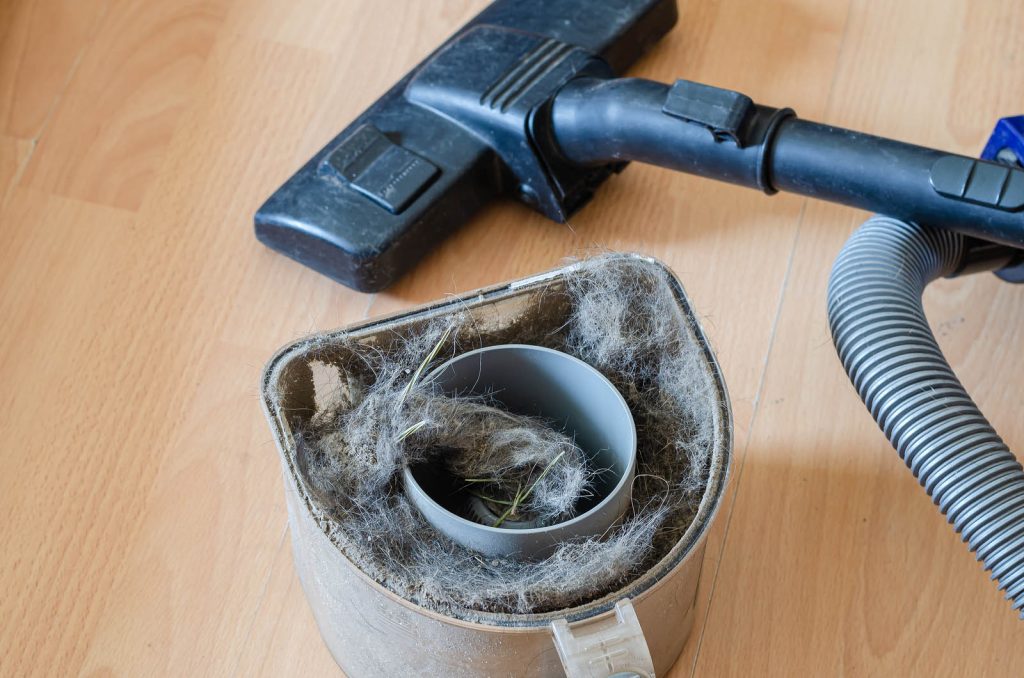
When you run a vacuum, you use force and airflow. This force can suck up adult fleas, eggs, larvae, and pupae. Many will die from the suction or the trauma. Many will be trapped in the dust and debris. Some will survive inside the bag or canister. Why? Fleas can hide in lint, pet fur, small fibers, and dust. The vacuum dust provides a dark, cushioned spot. That spot can keep fragile stages safe for a while. It can even protect pupae for months. So, vacuuming helps a lot. But it does not always finish the job.

Flea life stages and survival odds in a vacuum cleaner
Eggs: small and lightweight
Flea eggs are tiny. They are not sticky. They fall off pets onto carpets, bedding, and floors. Eggs are fragile in dry spots. But in a vacuum, eggs can get mixed with dust that keeps them moist. That can help eggs survive and hatch. Eggs usually hatch in 2–12 days. Inside a vacuum bag or canister, eggs may still hatch later if conditions suit them.
Larvae: soft and food-dependent
Larvae are small and worm-like. They hide deep in fibers. They feed on organic dust and adult flea feces. Sucked into the vacuum, they can be crushed. Or they can hide deep in clumps and survive. If the bag is full and dusty, larvae can live for days to weeks. Low humidity harms them. High humidity helps them live.
Pupae: the tough stage
Pupae are the hardest stage to kill. They spin sticky cocoons. The cocoon uses dirt and fibers. This covers them well. Pupae can stay dormant for weeks, months, or even up to a year in dry, cool homes. Heat and vibration can trigger them to emerge. Inside a vacuum, pupae may be very well protected. Thus, they often survive and later leave the vacuum if they can.
Adults: can they live in the dust?
Adult fleas are mobile and designed to live on animals. Off-host, an adult flea can survive from a few days to a few weeks. It depends on temperature and humidity. In a vacuum bag, adults can be injured. But some can cling to fibers. If a flea is alive in the bag, it might survive a few days. Usually, though, vacuum suction and jostling reduce their chance to come back out.

Real timelines: Estimates for how long fleas can live in a vacuum cleaner
Short-term survival (hours–days)
Most adult fleas that get sucked into a vacuum will die within a few hours to a few days. Many die quickly from trauma. Many die from lack of a host. Eggs and larvae that land in dry dust often dry out. They die in days. So, if you vacuum and then empty the bag quickly, the risk drops fast.
Medium-term survival (days–weeks)
If the vacuum bag sits in a warm, humid garage or closet, some stages can survive for weeks. Eggs may hatch in this time. Larvae may feed on dust in the bag. Adults may crawl into deep clumps and cling to fibers. So leave a filled bag lying around and you might help fleas live longer.
Long-term survival (weeks–months; pupae up to a year)
Pupae are the outliers. They can sleep for months. They wait until conditions are right. Some pupae remain dormant for up to a year. That means a vacuum can keep viable pupae for months. If the bag is not sealed or the canister is opened indoors, they can escape. That is why disposal matters.
Environmental factors that change timelines
Temperature: Heat speeds life cycles. Cold slows them.
Humidity: Larvae need moisture. Dry air kills larvae.
Darkness: Fleas prefer dark places. Vacuums are dark, which helps survival.
Food: Larvae feed on tiny organic bits. Vacuum dust can be food.
All these change how long fleas live inside the vacuum.
Why the vacuum bag or canister matters
Bagged vacuums vs. bagless canisters
Bagged vacuum cleaners trap debris in a sealed bag. If you remove and seal the bag soon, you remove fleas too. Bagless canisters store dust in a hard bin. When you open them, the dust can spill. That can send live flea stages back into the air or onto surfaces. So a bagless vacuum needs careful handling.
How a sealed bag can become a safe haven
A sealed bag, left closed in a warm place, can be a dark haven. Pupae can survive in it. Eggs can hatch. If a bag leaks or rips, fleas could escape. Also, if you open the bag indoors, you risk reintroducing fleas.
How canister dust can protect flea stages
Canisters hold loose dust. That dust can keep eggs, larvae, and pupae safe. Some models have filters and seals that keep debris tight. Other models let dust leak out when opened. The design matters.
How to use your vacuum as a flea-fighting tool
Best vacuuming techniques and frequency
Vacuum often. Aim for daily for 2 weeks if you have a heavy infestation. Then reduce to every other day for a month. Vacuum slow and cover each area twice. Move furniture and vacuum under, around, and behind items. Focus on pet beds, baseboards, and carpet edges. Vacuum mattress seams and upholstery. This removes many eggs and larvae before they mature.
Attachments and areas to focus on
Use the crevice tool to get baseboards and edges. Use the upholstery brush on chairs and pet couches. Use the motorized pet tool on rugs. Don’t forget under cushions and between floorboard cracks. These spots hide eggs and pupae.
Using vacuuming with other treatments
Vacuuming is one step. Pair it with pet treatment. Use vet-approved flea meds (topical or oral). Use home sprays with an IGR (insect growth regulator). IGRs stop eggs from hatching and pupae from turning into adults. Use steam cleaning to kill fleas with heat. For heavy infestations, consider professional pest control.
How to handle vacuum contents safely
Bag removal and disposal steps
If you use a bagged vacuum:
- Turn off and unplug the vacuum.
- Take the bag out carefully.
- Seal the bag in a second plastic bag or tie it closed.
- Put it in your outdoor trash right away.
- Wash hands and sanitize the area where you handled the bag.
This kills chances of escape.
How to clean bagless canisters
For bagless vacuums:
- Empty the canister outdoors.
- Put the dust directly into a sealed plastic bag.
- Consider freezing the sealed bag for 48 hours to kill stages, or pour boiling water or hot soapy water on the contents (outside) to kill them.
- Wash the canister and filter with hot, soapy water if the manual allows it.
- Dry parts in sunlight or a warm place. Heat kills fleas.
Washing, freezing, or treating vacuum contents
Heat is best. Freezing also works but needs time. Hot water and soap will kill most stages. If you cannot wash, seal and freeze for 48 hours. For extra caution, keep sealed bags in outdoor trash for a few days before bringing them back inside.
Additional home actions to stop reinfestation
Wash pet bedding and soft items on hot cycle
Wash all pet bedding, curtains, and removable couch covers in the hottest washer setting safe for the fabric. Dry on high heat. Heat kills eggs, larvae, and adults. Do this weekly during treatment.
Steam cleaning and heat treatment
Steam cleaning carpets and upholstery is very effective. The heat and moisture kill fleas in all stages. Rent or buy a steam cleaner with a carpet tool. Run it slowly. You will help kill pupae that might otherwise survive in a vacuum bag.
Use of diatomaceous earth (DE) and boric acid (use with care)
Food-grade DE can dry out and kill fleas. Sprinkle a thin layer on carpets and wait 48 hours, then vacuum. Use DE sparingly and avoid applying directly on pets. Boric acid works on dust but is toxic if misused. Keep both away from children and pets.
When to call pros
If fleas keep coming back after weeks of cleaning and treating pets, call a pest pro. Professionals can use insecticides and IGRs targeted for your home. They can treat hard-to-reach spaces and give a clear plan.
Personal story and expert tip box
My short story
I brought home a friendly stray kitten. A week later, my other cat had fleas. I vacuumed every day. I washed bedding and treated my pets with vet-recommended meds. Still, a few fleas reappeared after a month. I learned the pupae in my carpets and a full vacuum bag were the problem. I tossed the bag in an outdoor bin and had the carpet steam-cleaned. After that and two rounds of treatment for my cats, the fleas were gone. I also asked the vet about oral medication. That cleared the last cases fast.
Expert tips (from a vet / pest pro view)
- Treat pets first. If the animal stays infected, home treatments will fail.
- Use an IGR in the house to stop new generations.
- Do not skip baseboards and edges; pupae hide there.
- Empty vacuum content outside and seal it.
- Steam-clean when possible for fast results.
Common myths and mistakes
Myth: vacuuming kills all fleas
Not true. Vacuuming removes many fleas. Still, pupae and eggs can survive in the bag or canister. Do not rely on vacuuming alone.
Mistake: not emptying the vacuum right away
Leaving a full bag for weeks can let fleas hatch and wait. Empty and seal bags right away. For canisters, empty outside and clean them.
Myth: fleas die quickly without a host
Some do. Many adults die within days. But pupae can last months. So a home can have fleas long after pets leave.
Mistake: treating only pets or only the home
You must treat both. Pet meds, house cleaning, and IGRs work together. Skip one and fleas can come back.
FAQ
Q: Can fleas live in vacuum cleaners for months?
A: Yes, especially pupae. Pupae can stay dormant for months or longer. Eggs and larvae rarely survive that long, but pupae can. That is why sealed bags can hold live fleas for a long time.
Q: Will a vacuum kill flea eggs?
A: Vacuuming removes many eggs. Some may be crushed. Others may survive if they land in dusty clumps. Follow vacuuming with proper disposal to stop eggs from hatching in the bag or canister.
Q: Is it better to use a bagless vacuum or a bagged one for fleas?
A: Bagged vacuums are easier to seal and dispose of. They can be safer if you remove and throw the bag away. Bagless canisters work but need careful emptying and washing.
Q: Can fleas come back from the vacuum to the home?
A: Yes, if the vacuum is opened indoors or the bag leaks. Pupae that survive can later emerge. Seal or dispose of vacuum contents to avoid this.
Q: How many times should I vacuum to beat fleas?
A: Vacuum daily for at least two weeks during initial treatment. Then vacuum every other day for a few weeks. Keep up cleaning until you see no fleas for several weeks. Combine with pet treatment and IGRs.
Conclusion
Vacuuming helps a lot. Yet it is not alone enough. Flea eggs and pupae can survive in vacuum bags and canisters. Pupae are the toughest. They can stay dormant for months. To win the fight, do three things: treat your pets, clean your home often, and handle vacuum contents safely. Empty bags outside. Clean canisters with hot soapy water. Use steam cleaning and IGRs when needed. Be patient. Flea control can take time. If you follow these steps, you will cut flea populations drastically. You will feel safer in your home. And your pets will be happier and itch less.

Liora Pennings is a seasoned chef and kitchen enthusiast with a passion for turning everyday cooking into an effortless experience. With years of hands-on culinary expertise, she specializes in practical techniques, ingredient know-how, and smart kitchen solutions that help home cooks elevate their meals. At KitchFlair.com, Liora shares her best tips, time-saving tricks, and honest product reviews to guide readers toward a more efficient, enjoyable, and inspired cooking routine. Whether you’re a beginner or a seasoned home chef, Liora’s friendly, knowledge-packed insights make every visit to the kitchen a little easier—and a lot more delicious.