How To Calibrate A Bunn Coffee Maker: Step-By-Step Guide
To calibrate a Bunn coffee maker, measure brew volume, verify temperature, and adjust flow.
If you care about taste and consistency, you need to know how to calibrate a Bunn coffee maker the right way. I’ve tuned dozens of Bunn brewers in homes, offices, and cafes, and the difference is night and day. In this guide, I’ll show you how to calibrate a Bunn coffee maker step by step, explain why it matters, and share the tricks I use to lock in sweet, balanced cups every time.
Why calibration matters for your Bunn
Calibration means your brewer delivers the right amount of water, at the right temperature, at the right speed. That equals better flavor, repeatable results, and fewer headaches. When you know how to calibrate a Bunn coffee maker, you protect your beans, your budget, and your morning routine.
Here is what proper calibration controls:
- Brew volume. Ensures your output matches your recipe for consistent strength.
- Temperature. Maintains 195–205°F water at the sprayhead, the range recommended by specialty coffee standards.
- Flow rate and contact time. Balances extraction so coffee tastes sweet, not sour or bitter.
- Yield and waste. Prevents overflows, weak pots, and dumped carafes.
In my experience, the biggest wins come from dialing in volume first, then temperature, then flow. That order solves 90% of taste issues fast. Learning how to calibrate a Bunn coffee maker helps you hit all three.
Tools and prep
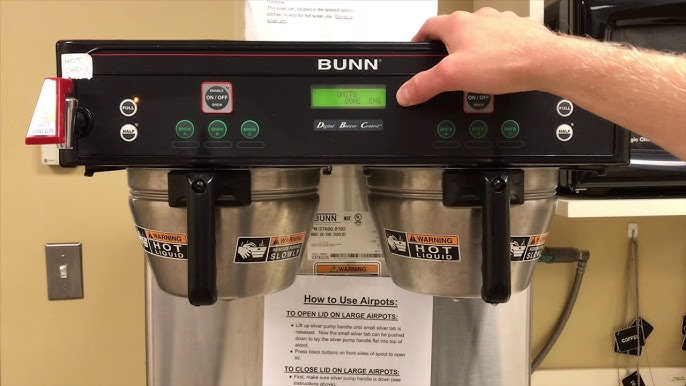
Before you start, gather a few simple tools. This is how to calibrate a Bunn coffee maker with confidence.
- Gram scale. For beans and water output.
- Thermometer. A fast-read probe or thermocouple for sprayhead checks.
- Graduated pitcher. At least 64 oz, with clear markings.
- Stopwatch or timer. Your phone works fine.
- Clean filters and fresh medium grind coffee. Burr grinder preferred.
- Cleaning gear. Descaler, soft brush, towels, and gloves.
Safety first:
- Unplug the brewer when opening panels or touching internal parts.
- Avoid contact with hot water lines and the tank.
- Let the machine heat fully before temperature tests. Most Bunn units need 15–20 minutes.
Good prep is half the job. Clean, descale, and replace worn sprayheads before any calibration.
Identify your Bunn model
Knowing your model tells you which settings you can change and how to calibrate a Bunn coffee maker without guesswork.
Home models:
- Speed Brew, Velocity Brew, GR, BX. Tank-style, pour-in. Volume equals water you pour in. Fixed temperature control, but you can verify it.
- Heat N Brew. Programmable start times and measured brew cycle.
Commercial models:
- Pour-over. VPR, VP17. Non-plumbed. Flow and sprayhead impact rate and contact time. Volume equals water added.
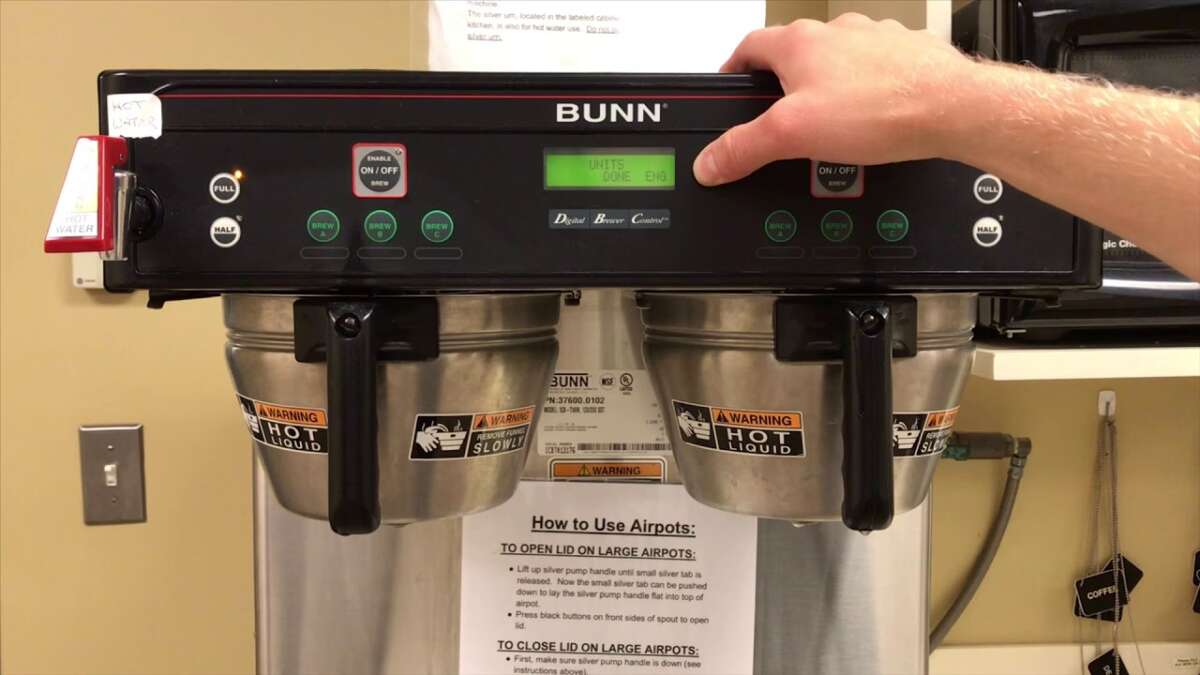
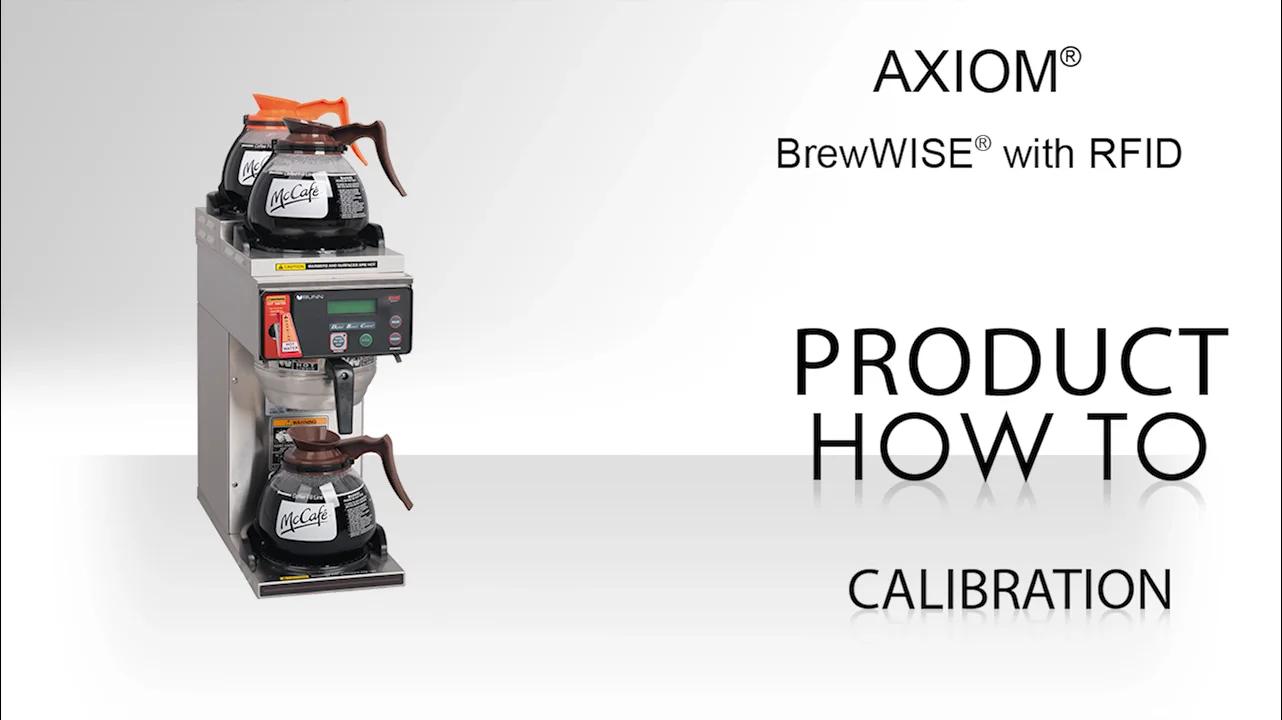
- Plumbed and programmable. CWTF, Axiom, ICB, Platinum series. These often have digital menus or teach modes for brew volume and preinfusion.
- Thermal systems. ThermoFresh, ICB-TF. Similar programming with additional bypass and pulse options.
If you are unsure, check the plate under or behind the brewer. Then grab the manual for the exact button sequence. The core ideas below still apply to how to calibrate a Bunn coffee maker across most models.

Step-by-step: how to calibrate a Bunn coffee maker at home
For home Bunn brewers, you will calibrate by verifying heat, timing flow, and matching your recipe to the machine’s behavior.
- Warm up and clean
- Descale if needed. Rinse well.
- Fill the tank and allow 15–20 minutes to heat.
- Run one brew cycle with plain water to flush.
- Check brew volume
- Pour a known amount of water into the brewer, for example 34 oz.
- Brew into a graduated pitcher. Weigh or measure the output.
- The output should be within about 2 oz of input. If you see a bigger loss, check for evaporation, leaks, or retained water. Replace the sprayhead if clogged.
- Measure brew time and flow
- Start a brew with water only. Time from first drip to last drip.
- Target 4–6 minutes for a full batch. Short times can taste sour. Long times can taste bitter.
- If time is outside this range, clean the sprayhead, try a fresh Bunn sprayhead, or adjust grind in small steps.
- Verify temperature
- Use a fast-read probe just below the sprayhead while water flows.
- Aim for 195–205°F during the main portion of the brew.
- If lower, descale and ensure the machine is fully warmed. Most home Bunn units are not user-adjustable for temperature; if it remains low, service may be needed.
- Dial in your recipe
- Start with a simple ratio: 1 gram coffee per 16–17 grams water.
- For a 34 oz brew, use about 60 grams of medium grind coffee.
- Brew, taste, and adjust grind first, then dose. Taste is the final check.
Pro tip from years of tuning home Bunns: replace a worn sprayhead and you often fix flow issues in minutes. That simple part can make water spread evenly again. This is the easiest win in how to calibrate a Bunn coffee maker at home.
Step-by-step: how to calibrate a Bunn coffee maker in cafes and offices
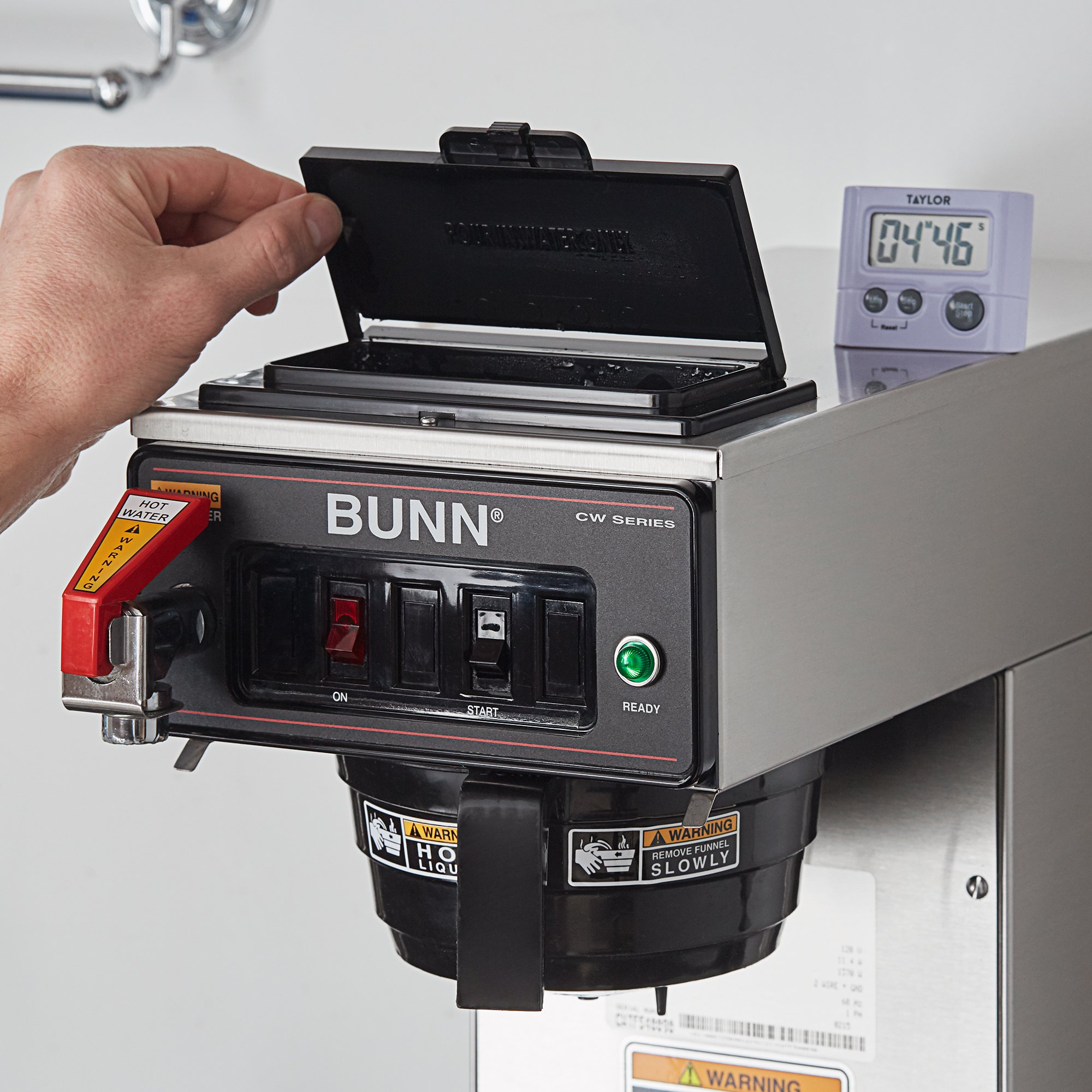
Commercial Bunns vary, but the path to success is the same: confirm plumbing, set brew volume, set preinfusion if available, check temperature, and validate taste with a recipe.
- Confirm water and filtration
- Verify inlet pressure is within spec, often 20–90 psi.
- Use fresh filters and test hardness. Target 50–120 ppm hardness unless the model demands otherwise. Good water equals longer machine life and better taste.
- Program brew volume
- For programmable models, enter the programming or teach mode. This is often done by holding a brew button or the programming key until the display changes.
- Select Small, Medium, or Large batch if present.
- Start a brew with an empty funnel. Press to start, press to stop at the exact desired volume in your pitcher. The machine stores that volume.
- Run three test brews and average the result. Adjust until your variance is within 2–3%. This is the heart of how to calibrate a Bunn coffee maker for consistency.
For non-programmable pour-over commercial units:
- Your volume equals the water you pour. Control flavor with grind, dose, sprayhead type, and flow restrictors.
- If the brew is too fast, use the correct Bunn sprayhead or a restrictor disc recommended for your model.
- Set preinfusion and pulse, if available
- If your model offers preinfusion, start with 20–30 seconds of wetting, then a pause, then full brew.
- Pulse patterns can help even extraction in large batches. Begin with the factory pattern and tweak based on bed saturation and taste.
- Verify brew temperature
- Measure water at the sprayhead during mid-brew. Aim for 195–205°F.
- If outside range, calibrate through the control menu if your model allows, or have a technician adjust the thermostat.
- Validate taste with a recipe
- Use 55–60 grams of coffee per liter of water as a starting point.
- For a 1.9 L airpot, use 105–115 grams of coffee. Adjust grind to hit a balanced cup.
When training new staff, I always show them how to calibrate a Bunn coffee maker with a pitcher and a scale. It makes the invisible visible. Once they see the numbers, the flavor starts to make sense.

Calibrate brew temperature the safe way
Checking temperature is simple and fast. Here is how to calibrate a Bunn coffee maker for heat without guesswork.
- Preheat for at least 20 minutes. Never rush this step.
- Insert a thin probe near the sprayhead, not touching metal.
- Start a brew with water. Record temperature during the main flow.
- If it is low, descale and recheck. Limescale is a common culprit.
- If your model supports temperature setpoints in the menu, adjust a few degrees at a time and retest.
- If there is no user control, contact service. Internal adjustments on thermostat-based units should be done by a technician.
Industry guidance recommends 195–205°F water at the coffee bed to balance extraction. Use that window as your target.
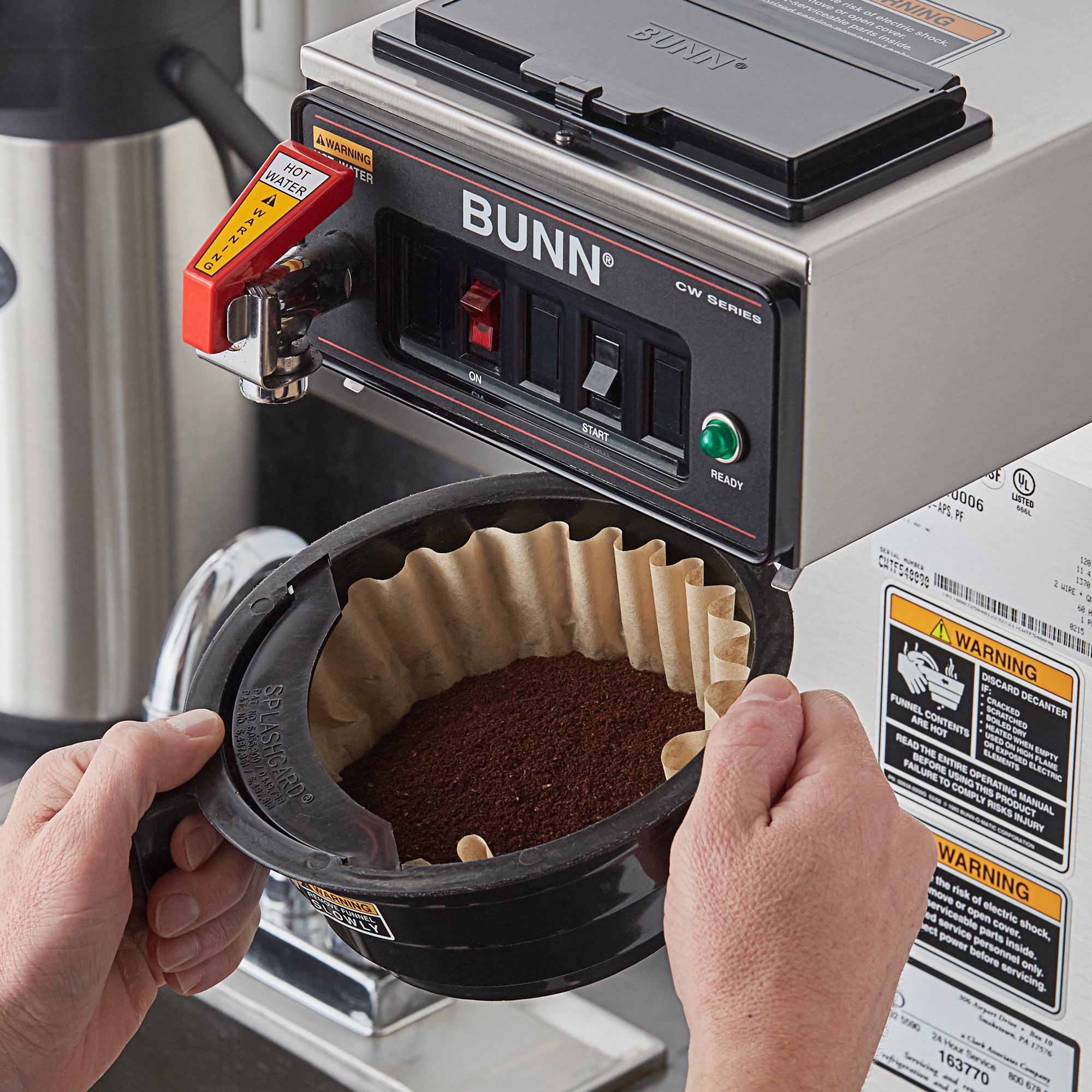
Dial in grind, dose, and ratio
Even a perfect machine needs a good recipe. This is where you finish how to calibrate a Bunn coffee maker.
- Start ratio. 1:16 to 1:17 coffee to water by weight.
- Grind. Aim for medium for flat-bottom filters and slightly finer for conical, then adjust in small steps.
- Sensory checks. Sour equals under-extracted, so grind finer or brew longer. Bitter equals over-extracted, so grind coarser or brew faster.
- Advanced check. If you use a TDS meter, target a final strength around 1.25% for drip and an extraction yield near 18–22%.
I like the two-cup test. Brew back-to-back with small grind changes. Taste side by side. Your tongue will tell you which way to go.

Troubleshooting and common mistakes
Here are fast fixes I rely on when teaching how to calibrate a Bunn coffee maker.
- Weak coffee. Confirm brew volume first. Many brewers drift higher after a power issue. Re-teach the volume. Then check grind and dose.
- Bitter taste. If brew time is long, clean or replace the sprayhead and try a coarser grind.
- Sour taste. If brew time is short, use a finer grind or check for a missing sprayhead.
- Overflowing baskets. Verify filter fit, grind size, and that the sprayhead is the correct model. Some baskets need taller commercial filters.
- Temperature swings. Allow full warm-up. Descale. If still off, call service for thermostat or sensor checks.
Whenever a cafe calls me with “it all tastes off,” I start with a dry run using a pitcher. Numbers settle nerves. Then we reset volume, recheck heat, and taste again. It works.
Maintenance and a simple calibration schedule
Good upkeep keeps your calibration tight. Here is a simple plan you can follow.
- Daily. Rinse sprayhead and brew basket. Wipe sensors and plates dry.
- Weekly. Descale light buildup if your water is hard. Run a cleaning cycle.
- Monthly. Verify brew volume with a pitcher. Check brew time and record the results.
- Quarterly. Measure brew temperature and replace worn sprayheads and gaskets.
- After service or power outages. Recheck volume on programmable models immediately.
Log your checks in a small notebook or a phone note. Date, volume, time, temperature, and any taste notes. That log turns how to calibrate a Bunn coffee maker into a fast routine.
Frequently Asked Questions of how to calibrate a bunn coffee maker
How often should I recalibrate my Bunn?
Check brew volume monthly and after any service or power surge. Verify temperature every quarter or if taste shifts.
Can I change brew temperature on a home Bunn?
Most home models do not offer user temperature controls. You can verify heat and descale; for changes, contact service.
What is the best coffee-to-water ratio for Bunn brewers?
Start at 1 gram of coffee per 16–17 grams of water. Adjust grind first, then dose, to fine-tune strength and taste.
My brew is too fast. What should I do?
Clean or replace the sprayhead and try a finer grind. On some commercial units, adjust flow restrictors or pulse profiles.
How do I set brew volume on a programmable commercial Bunn?
Enter programming or teach mode, start a brew into a graduated pitcher, then stop at your target volume. Save the setting and run a few test cycles.
Do I need special filters for Bunn coffee makers?
Use the correct basket size specified by Bunn. Too-short filters can collapse and cause overflows or fines in the pot.
Why does my coffee taste weak after a power outage?
Programmable brewers can lose stored volumes. Re-teach the brew volume and verify temperature before changing your recipe.
Conclusion
Calibrating a Bunn is simple when you follow a plan. Measure brew volume, confirm temperature, and set flow and timing. Then dial in grind and ratio to taste. You now know how to calibrate a Bunn coffee maker like a pro and keep it that way with quick monthly checks.
Take 20 minutes today to run the steps with a pitcher, a thermometer, and a scale. Your next pot will taste better, and every pot after that will be consistent. Want more guides like this? Subscribe, share your results, or drop a question in the comments.

Liora Pennings is a seasoned chef and kitchen enthusiast with a passion for turning everyday cooking into an effortless experience. With years of hands-on culinary expertise, she specializes in practical techniques, ingredient know-how, and smart kitchen solutions that help home cooks elevate their meals. At KitchFlair.com, Liora shares her best tips, time-saving tricks, and honest product reviews to guide readers toward a more efficient, enjoyable, and inspired cooking routine. Whether you’re a beginner or a seasoned home chef, Liora’s friendly, knowledge-packed insights make every visit to the kitchen a little easier—and a lot more delicious.